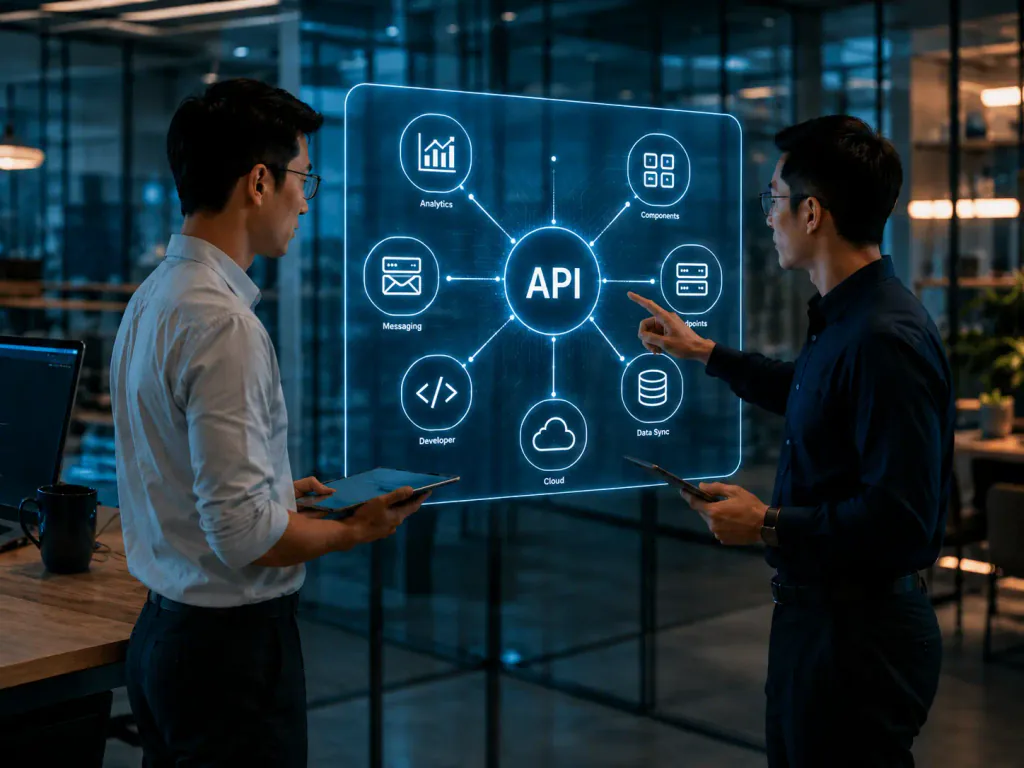
System Integration

System Integration สำหรับเชื่อมระบบ ข้อมูล และ Workflow

QODIO LABS ช่วยเชื่อมระบบเดิม ระบบใหม่ และบริการภายนอกให้ข้อมูลไหลต่อกัน ลดการคัดลอกข้อมูลซ้ำ และทำให้ทีมทำงานบนข้อมูลที่สอดคล้องกันมากขึ้น

FROM DISCONNECTED TO TRACEABLE

การเชื่อมระบบที่ดีต้องรู้ว่า ข้อมูลมาจากไหน ไปไหน และผิดพลาดตรงไหนได้

System Integration ช่วยทำให้ applications, APIs, data, events, forms และ external services ทำงานต่อกันได้อย่างมีหลักฐาน ลดการคัดลอกข้อมูลซ้ำ และทำให้ทีมเห็นข้อมูลเดียวกันมากขึ้น

  1. 01
    Inventory

    รู้ก่อนว่าระบบใดเป็นเจ้าของข้อมูล

    สำรวจ applications, APIs, databases, forms, export formats, credentials, vendors และข้อจำกัดของแต่ละระบบ เพื่อเห็นภาพว่าข้อมูลควรเริ่มจากที่ไหนและไปจบที่ใด

  2. 02
    Map

    แปลงข้อมูลและเหตุการณ์ให้คุยกันรู้เรื่อง

    กำหนด field mapping, source of truth, event flow, authentication, sync frequency และเงื่อนไขที่ต้องระวังก่อนเริ่มเชื่อมจริง

  3. 03
    Connect

    เชื่อม API, webhook, sync หรือ migration ตาม scope

    พัฒนา integration layer, synchronization logic, webhook handling, migration process หรือ API contract ที่เหมาะกับระบบต้นทางและปลายทาง

  4. 04
    Validate

    ทดสอบ error, retry และการส่งมอบให้ดูแลต่อได้

    ตรวจข้อมูลหลังเชื่อม ทดสอบกรณีผิดพลาด กำหนด alerting rules และทำ runbook เพื่อให้ทีมรู้ว่าต้องดูอะไรเมื่อ integration ทำงานจริง

INTEGRATION SCOPE

เชื่อมเฉพาะจุดที่ทำให้ข้อมูลไหลต่อได้ และรู้วิธีรับมือเมื่อข้อมูลไม่ไหล

Scope จริงอาจเป็น API integration, webhook, data sync, migration, identity flow หรือ monitoring rules โดยเริ่มจาก capability ของระบบต้นทางและปลายทาง ไม่ใช่สัญญาว่าทุกระบบจะเชื่อมแบบเดียวกันได้

System & API Inventory

ทำให้ทีมเห็นระบบทั้งหมดที่เกี่ยวข้อง เจ้าของระบบ ข้อมูลที่ต้องแลกเปลี่ยน และข้อจำกัดก่อนเริ่มเชื่อม

  • System list
  • API readiness
  • Vendor or access constraints

Data Ownership & Mapping

กำหนดว่า field ใดมาจากระบบใด ระบบไหนเป็น source of truth และข้อมูลต้องแปลงรูปแบบอย่างไร

  • Source of truth
  • Field mapping
  • Data validation

API, Webhook & Event Flow

ออกแบบวิธีส่งข้อมูลระหว่างระบบให้สอดคล้องกับจังหวะธุรกิจและ capability ของระบบต้นทาง

  • API contract
  • Webhook flow
  • Event behavior

Authentication & Credentials

จัดการวิธีเชื่อมต่อที่ปลอดภัยและดูแลต่อได้ โดยไม่ฝากความเสี่ยงไว้กับ credential ที่ไม่ชัดเจน

  • Credential plan
  • Token handling
  • Access responsibility

Synchronization & Migration

ลดงานคัดลอกข้อมูลซ้ำและย้ายข้อมูลเท่าที่ scope รองรับ โดยไม่สัญญาเกิน capability ของระบบเดิม

  • Sync logic
  • Migration process
  • Reconciliation check

Error, Retry & Monitoring

กำหนดว่าถ้าข้อมูลส่งไม่สำเร็จ ระบบควร retry อย่างไร แจ้งใคร และตรวจสอบสถานะจากที่ใด

  • Retry rules
  • Alerting direction
  • Integration runbook

WHAT CAN BE CONNECTED

ระบบและบริการที่มักอยู่ในงาน Integration

รายการเหล่านี้เป็นตัวอย่างตาม scope เท่านั้น การเชื่อมต่อจริงขึ้นกับ API, permission, ownership, data access และข้อจำกัดของ vendor หรือระบบเดิม

Forms & Apps

Website forms และ business applications

  • Lead forms
  • Customer applications
  • Internal tools
Customer & Commerce

CRM, POS, commerce และ payment gateways

  • CRM records
  • Orders and stock
  • Payments
Operations

ERP, accounting และ operational systems

  • ERP data
  • Accounting tools
  • Operational workflows
Communication

Messaging, notifications และ identity providers

  • LINE OA
  • Email
  • Authentication providers
Data

Dashboards, data services และ reporting layers

  • Dashboard feeds
  • Data services
  • Reporting exports
Legacy

Legacy databases และ export formats

  • Legacy databases
  • CSV or file exports
  • Migration sources

POSSIBLE DELIVERABLES

สิ่งส่งมอบที่ช่วยให้การเชื่อมระบบตรวจสอบและดูแลต่อได้

Deliverables จะเลือกตาม project scope และ dependency ของระบบที่เกี่ยวข้อง ไม่ได้รวมทุกอย่างโดยอัตโนมัติในทุกงาน integration

Discovery

เข้าใจระบบและเจ้าของข้อมูล

  • Integration discovery
  • System and API inventory
  • Data ownership map
Design

แบบแผนการเชื่อมต่อที่ตรวจสอบได้

  • Data mapping
  • API contract or mapping
  • Webhook and event-flow design
  • Authentication and credential plan
Build & Validate

เชื่อม ทดสอบ และส่งต่อการดูแล

  • Synchronization logic
  • Migration script or process where scoped
  • Error handling, retry, and alerting rules
  • Testing report
  • Runbook and handover documentation

WHEN INTEGRATION HELPS

เมื่อปัญหาไม่ได้อยู่ที่ “ไม่มีระบบ” แต่อยู่ที่ระบบไม่คุยกัน

หากทีมต้องทำงานข้ามหลายเครื่องมือ ข้อมูลไม่ตรงกัน หรือระบบเดิมยังต้องใช้ต่อ integration ที่มี mapping, retry และ monitoring ชัดเจนจะช่วยลดงานอ้อมและลดความเสี่ยงของข้อมูล

ปรึกษาการเชื่อมต่อระบบ
  • ทีมต้องคัดลอกข้อมูลระหว่าง tools ซ้ำ ๆ หรือใช้ export/import เป็นงานประจำ
  • ข้อมูลลูกค้า คำสั่งซื้อ สต็อก การชำระเงิน หรือสถานะงานไม่ตรงกันระหว่างระบบ
  • แบบฟอร์มหรือ application ใหม่ไม่ส่งข้อมูลไปถึงระบบที่ทีมใช้งานจริง
  • มี legacy system ที่ยังต้องใช้ต่อ แต่ขาด integration layer ที่ดูแลได้
  • ต้องเชื่อม Product หรือระบบใหม่เข้ากับ environment ของลูกค้าหรือระบบภายในองค์กร
  • กำลังเตรียม modernization หรือ migration แต่ยังไม่ชัดว่า source of truth และ data ownership อยู่ที่ใด

CLIENT INPUTS

สิ่งที่ควรเตรียมก่อนเริ่มเชื่อมระบบ

Integration ต้องพึ่งข้อมูลจากระบบจริงและคนที่ดูแลระบบนั้น ๆ ยิ่งระบุ ownership, API access, sample data และข้อจำกัดได้เร็ว scope จะยิ่งแม่นและทดสอบได้ดีขึ้น

  • ระบุ system owner, vendor contact หรือผู้ดูแลระบบที่เกี่ยวข้องกับ integration
  • เตรียม API documentation, sandbox, test credentials หรือ sample export เมื่อมี
  • ยืนยัน source of truth, data owner และ field ที่ต้องเชื่อมระหว่างระบบ
  • อนุมัติ mapping, sync frequency, business rules และเงื่อนไข error/retry ก่อน build
  • กำหนดข้อจำกัดด้าน privacy, permission, data retention หรือ compliance ที่ทีมต้องรู้
  • ร่วมทดสอบข้อมูลจริงบางส่วนและยืนยันผลลัพธ์ก่อน launch หรือ handover

SCOPE BOUNDARIES

สิ่งที่ไม่รวมโดยอัตโนมัติ

การเชื่อมระบบควรกำหนด volume, data cleanup, sync behavior, monitoring owner และข้อจำกัดของ third-party system ให้ชัดก่อนเริ่ม เพื่อไม่ให้ความเสี่ยงซ่อนอยู่หลังคำว่า “เชื่อมให้แล้ว”

  • Unsupported third-party API changes
  • Historical data cleanup
  • Unlimited migration volume
  • Real-time synchronization when the source system cannot support it
  • Formal data-governance program
  • Ongoing monitoring after the agreed support period

COMMON QUESTIONS

คำถามก่อนเริ่มงาน System Integration

System Integration เหมาะกับธุรกิจแบบใด?

เหมาะกับธุรกิจที่ใช้หลายระบบและข้อมูลยังไม่ไหลต่อกัน เช่น CRM, POS, ERP, payment, messaging, dashboard, website forms หรือ legacy systems โดยเป้าหมายคือทำให้ข้อมูลและเหตุการณ์สำคัญเชื่อมกันได้อย่างน่าเชื่อถือขึ้น

System Integration กับ Workflow Automation ต่างกันอย่างไร?

System Integration คือการทำให้ระบบ ข้อมูล และ events เชื่อมต่อกัน ส่วน Workflow Automation คือการทำให้บางขั้นตอนดำเนินต่อได้อัตโนมัติ Automation อาจต้องพึ่ง integration แต่สองอย่างนี้ไม่ใช่บริการเดียวกัน

สามารถเชื่อม API, webhook, payment, LINE OA หรือระบบภายนอกได้ไหม?

ทำได้เมื่อระบบต้นทางและปลายทางมี capability, permission, documentation และ commercial terms ที่รองรับ Scope จริงต้องประเมินจาก API, data access, credential model, rate limits และข้อจำกัดของ vendor ก่อนยืนยัน

เชื่อมข้อมูลแบบ real-time ได้เสมอไหม?

ไม่เสมอไป Real-time synchronization ทำได้เมื่อ source system รองรับ event, webhook หรือ API ที่เหมาะสม หากระบบต้นทางรองรับเพียง export/import หรือ batch update ต้องออกแบบจังหวะ sync ให้ตรงกับข้อจำกัดนั้น

งาน migration รวมการล้างข้อมูลย้อนหลังทั้งหมดหรือไม่?

ไม่รวมโดยอัตโนมัติ Migration volume, historical data cleanup, reconciliation และ data transformation ต้องกำหนดเป็น scope แยกให้ชัด เพื่อควบคุมความเสี่ยงและความรับผิดชอบของข้อมูล

Next action

ต้องการกำหนด Service Scope ให้เหมาะกับโจทย์ของคุณ?

ปรึกษาการเชื่อมต่อระบบ